
What if the very thing you’re reaching for to relax is actually creating the anxiety you’re trying to escape? For so many of us, alcohol has been the answer to everything. Feeling stressed? Have a glass of wine. Can’t sleep? Pour another. Want to relax, socialize, or celebrate? Surely a drink will make it better. But the connection between alcohol and anxiety is far more complicated than most of us were ever told, and understanding it can change everything.
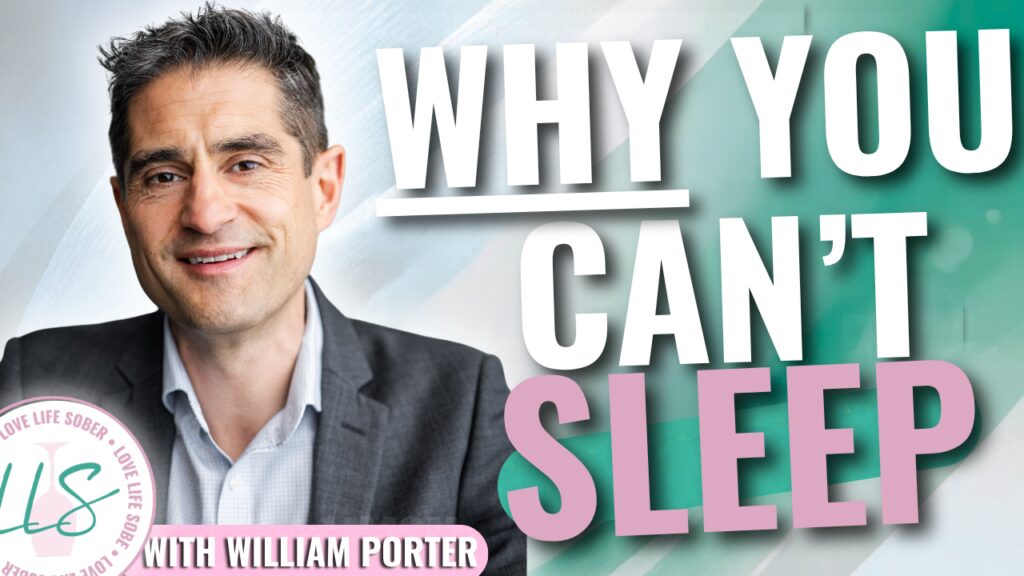
In this episode of the Love Life Sober Podcast, I’m joined by William Porter, bestselling author of Alcohol Explained and Alcohol Explained 2. William’s books were instrumental in my own alcohol-free journey. He has an incredible ability to explain the science of alcohol in a way that makes you wonder how you ever believed it was helping you in the first place. Together, we explore what alcohol actually does to our brains and bodies, why it creates the very problems we drink to solve, and how understanding the truth can completely change our desire to drink.
What You’ll Learn About Alcohol and Anxiety
Why alcohol initially makes you feel relaxed but actually increases anxiety as it wears off.
What’s really happening in your brain when you drink, and why even moderate drinking can create a cycle of withdrawal and discomfort.
Why you keep waking up at 3 a.m. after drinking, and what alcohol is doing to your sleep cycles.
The difference between alcohol-induced unconsciousness and genuinely restorative sleep, and why it matters so much for your energy and emotional well-being.
Why developing a higher alcohol tolerance isn’t something to celebrate, and how it can make moderation increasingly difficult.
What William calls the craving spiral, and how your thoughts about drinking can steal the enjoyment from the very experiences you believe alcohol makes better.
Why the pleasure you associate with drinking and socializing may have far less to do with alcohol than you think.
How fading effect bias causes us to romanticize drinking, forget the consequences, and convince ourselves that we’re missing out.
Watch Here:
Listen Here:
Why Drinking to Relax Can Make Anxiety Worse
That first glass of wine at the end of a long day really does seem to work. Your shoulders drop, your mind slows down, and for a little while everything feels a bit softer.
But here’s what most of us were never told.
Alcohol is a depressant, which means it slows down activity in the brain. Our brains are wonderfully designed to keep us in balance, so when alcohol suppresses that activity, the brain responds by pushing back, releasing more stimulating chemicals and stress hormones to compensate.
The problem is what happens when the alcohol wears off. The sedating effect fades, but the brain’s counterbalance lingers. You’re left feeling more on edge, more restless, and more anxious than you were before you had that first drink.
And what does that anxious, unsettled feeling tell us? I need a drink to relax.
This is why alcohol and anxiety become so tightly linked. The drink relieves a discomfort that the previous drink helped create. William explains that even moderate, everyday drinking can keep us caught in a gentle version of this cycle, a low-level withdrawal that we mistake for ordinary stress.
Why You Wake Up at 3 a.m. After Drinking
If you’ve ever fallen asleep easily after a few glasses of wine, only to find yourself wide awake in the middle of the night with your heart racing and your thoughts spinning, you are not alone.
Alcohol can certainly knock us out. But being sedated is not the same as being truly rested.
As your body processes the alcohol through the night, that same rebound effect kicks in. The brain’s stimulating response takes over, and sleep becomes lighter and more broken. Alcohol also disrupts the natural rhythm of our sleep cycles, including the deep, restorative stages our bodies and minds depend on.
So we wake at 3 a.m., often anxious and full of regret, and then drag ourselves through the next day feeling exhausted. By evening, we’re depleted and frazzled, and the glass of wine seems like the obvious answer once again.
When we understand this, it becomes so much easier to see that alcohol isn’t the cure for our tiredness and anxiety. It’s often one of the causes.
Why a Higher Alcohol Tolerance Isn’t Something to Celebrate
Many of us were raised in a culture that treats being able to “hold your drink” as something to be proud of.
But tolerance simply means your brain has adapted to alcohol. Over time, the same amount produces less of the effect you’re looking for, so you need more to feel the same relief.
That makes moderation harder and harder, and it means the brain’s counterbalancing response grows stronger too. Higher tolerance doesn’t mean alcohol is affecting you less. It often means it’s affecting you more deeply than you realize.
The Craving Spiral: How Alcohol Steals the Joy It Promises
One of my favorite parts of this conversation is William’s explanation of what he calls the craving spiral.
Think about the last party, dinner, or celebration you went to when you were drinking. How much of your attention was on the people around you, and how much was quietly focused on the alcohol? When will the next drink be poured? Is there enough? Should I have another? Is anyone noticing how much I’m having?
That constant background chatter about drinking can steal the very enjoyment we believe alcohol adds.
And when we really look at it, the pleasure we associate with drinking often has far less to do with the alcohol itself than with everything around it: the laughter, the connection, the beautiful setting, the sense of occasion, the people we love. Those things are still there without the wine. In fact, we’re often far more present to enjoy them.
Fading Effect Bias: Why We Romanticize Drinking
Have you ever been doing well without alcohol and suddenly found yourself missing it?
William explains that part of the reason is something called fading effect bias. Our memories tend to hold on to the pleasant feelings attached to an experience while the negative feelings fade more quickly.
So we remember the golden glass of rosé on a summer evening, but we forget the 3 a.m. wake-up, the anxiety the next morning, the snapping at our kids, and the promises we broke to ourselves.
Knowing this can be so freeing. When those nostalgic thoughts show up, we don’t have to believe them. We can recognize that we’re looking at an edited version of the story, and gently remind ourselves of the whole truth.
The Truth Will Set You Free
Jesus said, “Then you will know the truth, and the truth will set you free” (John 8:32).
I love that this conversation is all about truth. So much of what keeps us stuck with alcohol is built on beliefs we’ve absorbed for years: that it relaxes us, helps us sleep, makes life more fun, and that life without it would be a sacrifice.
When we begin to see what alcohol is actually doing, those beliefs start to lose their grip. We stop white-knuckling our way through and start wanting something better.
And as women of faith, we don’t have to find our comfort in a bottle. God offers us a peace that doesn’t wear off at 3 a.m. and leave us more anxious than before. He invites us to bring our stress, our exhaustion, and our worries to Him, and to rest in Him.
This Episode Is for You If You’ve Ever Thought…
“I need a glass of wine to relax after a stressful day.”
“I know alcohol affects my sleep, but I just can’t seem to fall asleep without it.”
“I’ve been doing so well without drinking, but sometimes I really miss it.”
“Maybe I’m just an anxious person, and wine is the only thing that takes the edge off.”
My beautiful friend, when you begin to understand what alcohol is actually doing, you can stop seeing an alcohol-free life as a sacrifice and start recognizing everything you have to gain: deeper sleep, calmer mornings, more energy, and a peace that lasts.
Listen to the full episode of the Love Life Sober Podcast with William Porter, and discover the truth about alcohol and anxiety that could change the way you see drinking forever.
Get William’s Books:
CONTINUE YOUR JOURNEY
If this conversation resonated with you, you may also enjoy:


